|
TL;DR / What matters first |
|
Dechoker and Fitiger EasyPumpVac should be compared against the second-line framework in 21 CFR 874.5400, product code QXN, not as replacements for manual rescue. The core difference is response geometry: how fast a layperson can complete the pull sequence inside the four-minute oxygen window after failed BLS. |
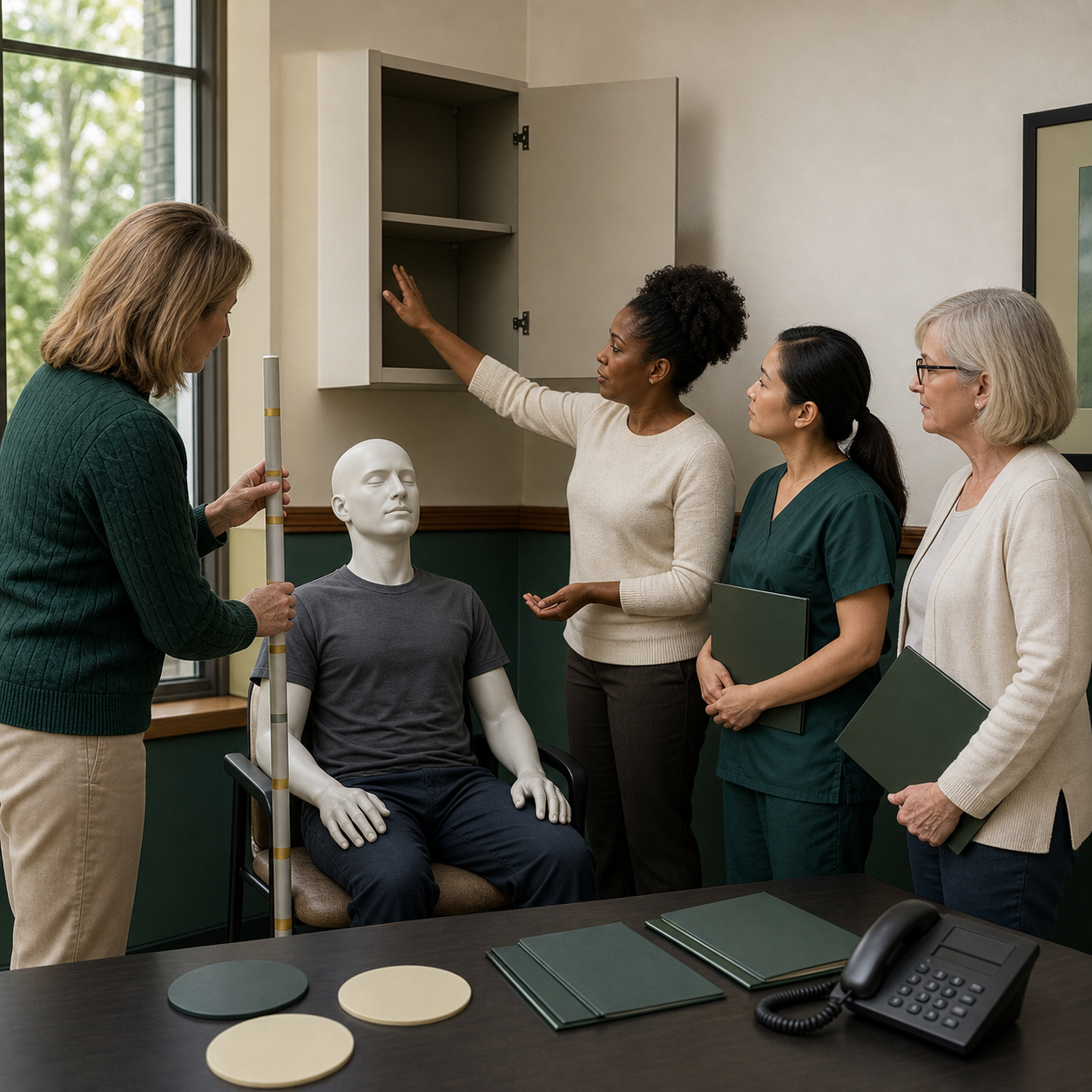
| A choking emergency does not reward the most familiar brand name. It rewards the fastest correct sequence performed by someone close enough to act. The airway may be closed, the rescuer may be frightened, and the victim may lose consciousness before a distant tool, a forgotten instruction, or a complicated setup can help. |
| Before choosing equipment, review Fitiger's anti-choking device buyer evidence checklist for FDA wording, testing, seller traceability, and kit-selection questions. |
| Dechoker and Fitiger EasyPumpVac belong in the same buyer conversation because both sit in the suction-based anti-choking device category. They should not be pushed into the same moment of care as first-line choking rescue. Manual action, emergency activation, and CPR readiness remain the foundation. A suction device is a backup layer after standard measures have been unsuccessful and only within its instructions for use. |
| Survival redefines the comparison: brand familiarity is an administrative metric, while retrieval latency is a biological one. A device that looks credible online can still fail the room if it is hard to reach, hard to orient, hard to seal, or hard to pull under stress. |
| Dechoker is mentioned only for identification and comparison. Dechoker and other product names are trademarks of their respective owners. This article is an independent Fitiger buyer-education comparison based on public category information, regulatory records, response-sequence requirements, product-design considerations, and Fitiger evidence boundaries. |
| This article does not claim that Fitiger EasyPumpVac is clinically superior to Dechoker. It does not prove head-to-head clinical effectiveness. It does not replace CPR certification, choking first-aid training, emergency dispatcher instructions, product labeling, or professional medical judgment. |
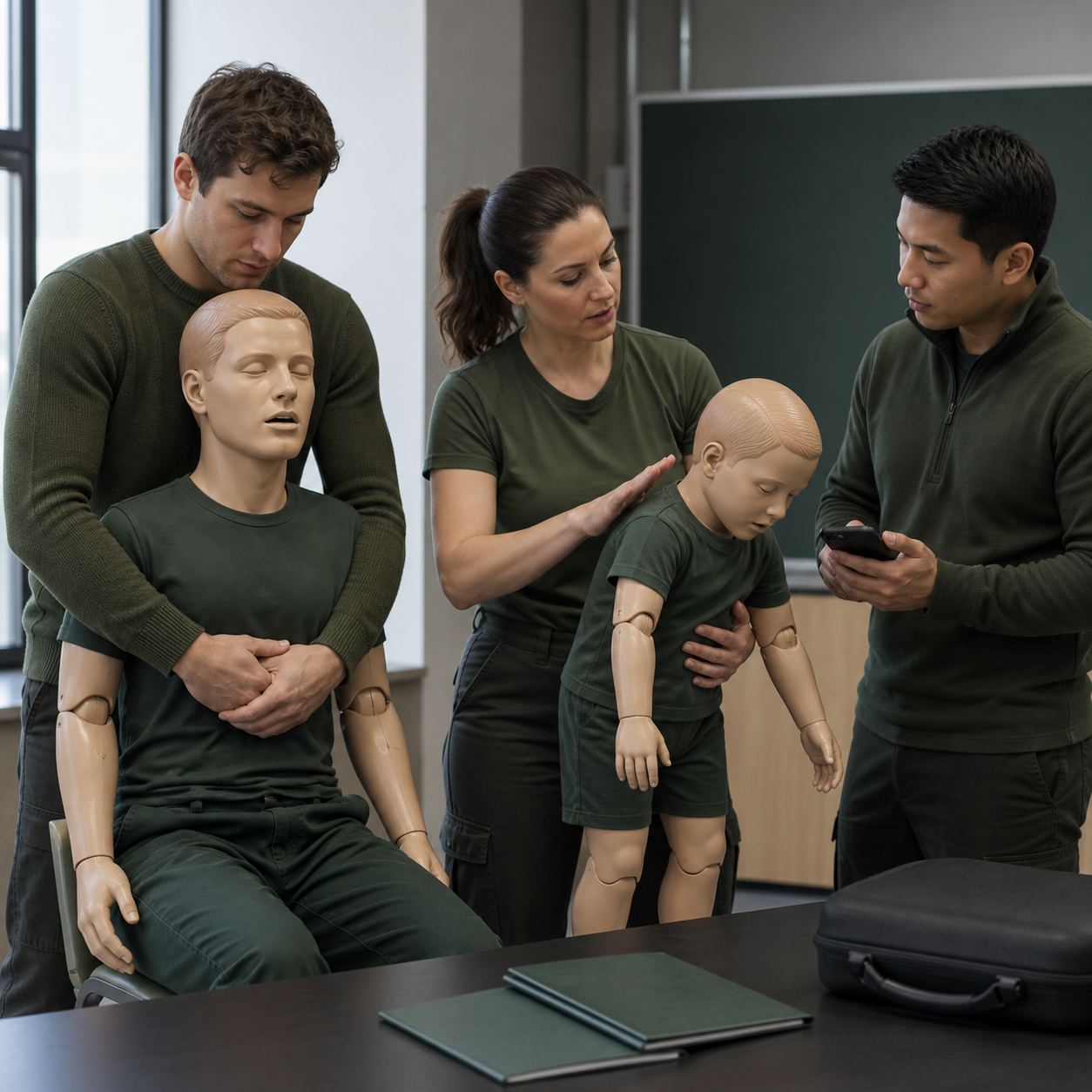
| The 2025 AHA/AAP update changed how responsible articles should describe choking first aid. For a conscious child or adult with severe foreign-body airway obstruction, the current sequence uses repeated cycles of 5 back blows and 5 abdominal thrusts until the object is expelled or the person becomes unresponsive. When abdominal thrusts are not feasible, such as late pregnancy, severe obesity, or body geometry that prevents safe abdominal force, chest thrusts may replace abdominal thrusts. Infants are different: 5 back blows alternate with 5 chest thrusts, and abdominal thrusts are not used for infants. |
| That sequence matters for every device comparison. A buyer should never treat a suction device as permission to pause recognition, delay 911, skip back blows, skip abdominal or chest thrusts when indicated, or postpone CPR when a person becomes unresponsive. |
| The 2026 FDA framework classifies a suction anti-choking device as a second-line treatment after unsuccessful use of a basic life support choking protocol. The relevant regulation number is 21 CFR 874.5400, and the product code is QXN. Buyers should verify the exact product record rather than relying on broad marketplace phrases such as FDA registered or listed. |

| Regulatory history is not a marketing footnote in an emergency device category. FDA issued a warning letter to DeChoker LLC on May 10, 2021, after inspection of its medical device operations. The letter stated that the Dechoker tracheobronchial suction device was not in conformity with the current good manufacturing practice requirements of the Quality System regulation in 21 CFR Part 820. |
| This historical record should not be used as a lazy attack line. It should be used as a buyer discipline point: emergency-device procurement cannot depend on testimonials, product shape, or seller confidence alone. Quality systems, labeling, traceability, regulatory status, instructions for use, and complaint handling all belong in the file before a family, school, or care facility relies on any second-line backup device. |
|
Buyer verification point |
What to check |
Risk if ignored |
|
Exact FDA status |
Search FDA De Novo, 510(k), PMA, and product-code databases for the exact device. |
A registered establishment can be mistaken for an authorized product. |
|
Quality-system record |
Review FDA warning letters, import alerts, recalls, or public compliance records when available. |
A device may look ready while manufacturing controls or documentation are weak. |
|
First-line wording |
Confirm the product does not encourage device-first use before established choking rescue protocols. |
A device-first mindset consumes the oxygen window. |
|
IFU and training materials |
Check age, weight, contraindications, sequence, cleaning, replacement, and post-use instructions. |
Users may improvise under stress. |
|
Seller traceability |
Buy through official or authorized channels with identifiable lot, support, and replacement parts. |
Counterfeit or stale listings can break material and valve assumptions. |
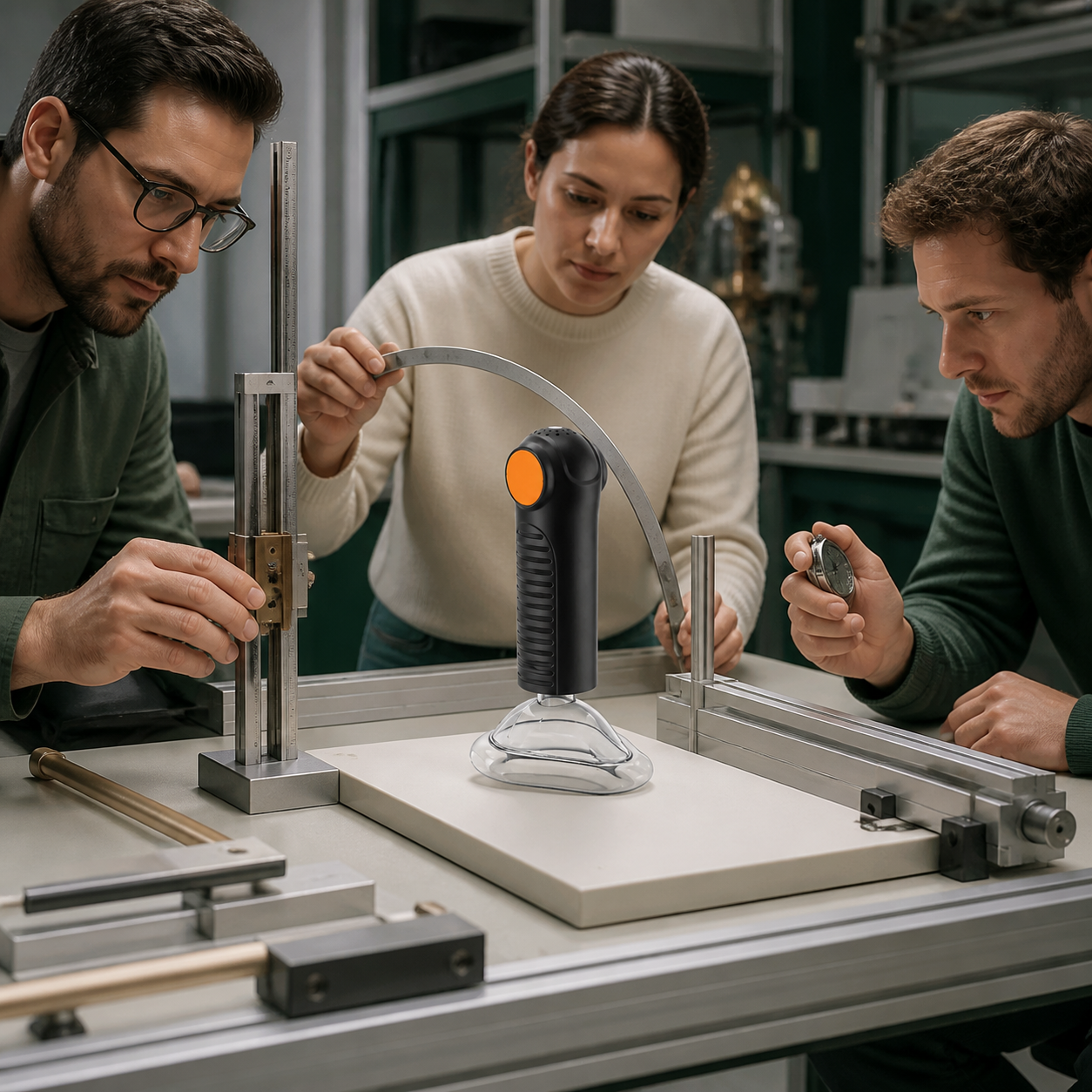
| Pull distance determines how much travel the rescuer must complete while scared, rushed, and possibly alone. The body position may be awkward. The victim may be seated, sliding, panicking, or losing tone. The rescuer may be reaching around a chair, beside a wheelchair, across a dining table, or inside a narrow room where arm travel is blocked. |
| A long travel path can be manageable in a calm demonstration and still become fragile in a real room. A shorter pull path does not guarantee success, but it can reduce one layer of handling friction. Fitiger EasyPumpVac is positioned around this simpler response geometry: retrieve, place the mask, create the seal, and pull through a shorter path. The engineering value is lower cognitive and motor load, not a claim of automatic rescue. |
| Dechoker buyers should ask the same practical questions: how much oral interface positioning is required, how much pull travel is needed, how easily the mask seals under panic, and whether ordinary users can practice the sequence well enough to avoid discovery during the event. |
|
Rescue variable |
Self or lay-rescuer constraint |
Engineering requirement |
|
Cognitive margin |
Hypoxia narrows attention and may make clear thinking collapse before help arrives. |
A short, rehearsed, low-step sequence. |
|
Force generation |
Manual thrusts may fail when posture, body geometry, pregnancy, frailty, obesity, or wheelchair seating blocks force transfer. |
A defined second-line backup after failed BLS, without first-line delay. |
|
Pull distance |
Long arm travel adds friction when the rescuer is kneeling, reaching, or stabilizing the victim. |
Shorter handle travel and fewer ambiguous actions. |
|
Seal integrity |
One-handed or rushed placement can create edge lift around the nose, facial hair, dentures, or cheek folds. |
Mask geometry and compliant edge design that support a usable pressure circuit. |
|
Retrieval latency |
No runner may be available to retrieve equipment from another room. |
Point-of-need staging near meals, care carts, school cafeterias, or kitchens. |
| Manual rescue can fail even when the responder acts quickly. Some obstructions behave like soft material; others behave like plugs. Bolus-mechanics research has reported that clearing a starch-based solid bolus may require about 5.4 kPa, while gel-like material may require about 1.7 kPa. The 3.2x difference is not a universal clinical threshold, but it does show why texture and plug behavior change the rescue demand. |
| A suction device creates a different force path. It does not compress the torso to generate positive pressure. It attempts to create an outward pressure differential at the airway opening through mask seal, valve behavior, and rapid suction. In bench comparisons, a certified suction-based device generated approximately 154 +/- 57 mmHg of negative pressure, while uncertified counterfeit alternatives averaged around 62 +/- 29 mmHg. Those values do not prove clinical superiority. They show why pressure generation, seal stability, and counterfeit risk are real engineering variables. |
| Fitiger evidence materials reference a 19 kPa to 42 kPa pressure/testing range under defined conditions. The responsible way to use that information is narrow: it supports an engineering discussion about mechanical reserve. It does not guarantee rescue, does not prove superiority over Dechoker, and does not replace product-specific regulatory verification. |
|
Rescue dimension |
First-line manual protocol |
Second-line suction device |
|
Force path |
Positive pressure from back blows, abdominal thrusts, chest thrusts, or CPR mechanics. |
Negative pressure through face seal, valve direction, and pull sequence. |
|
Mechanical challenge |
Must transfer force through the body and obstruction geometry. |
Must preserve a leak-resistant pressure circuit at the face. |
|
Food bolus issue |
Starch-based solid bolus resistance has been reported around 5.4 kPa, versus about 1.7 kPa for gel-like material. |
Pressure reserve may matter after manual force transfer fails. |
|
Timing role |
Begins immediately after severe choking recognition. |
Used only after unsuccessful first-line BLS choking protocol and within IFU. |
|
Failure mode |
Poor force coupling, delayed recognition, wrong position, frailty, pregnancy, obesity, or wheelchair barriers. |
Edge lift, valve leakage, poor mask fit, long pull path, storage delay, or untrained use. |
| A device comparison becomes more serious in populations where manual rescue is physically or clinically harder. Older adults, wheelchair users, people with dysphagia, pregnant people, people with severe obesity, and children with neurologic or developmental disorders do not create one identical use case. They create different failure points. |
| Brain injury risk adds pressure to every decision. Sources on hypoxic and anoxic brain injury commonly place the start of brain damage within minutes of oxygen interruption, with some brain cells beginning to die in less than 5 minutes. In a complete airway obstruction, a four- to six-minute window is not generous. Recognition latency and retrieval latency are clinical enemies before the device is even touched. |
|
User or setting |
Hard data or risk marker |
Handling burden |
Device-plan implication |
|
Older adult dining |
Food-choking death rates for people 65+ have been reported at about seven times the rate for children aged 1-4. |
Dentures, dry mouth, dysphagia, frailty, and reduced cough strength can raise risk. |
Stage backup near meals, not only at a central desk. |
|
Wheelchair use |
Room geometry may block abdominal thrust mechanics even when the rescuer is trained. |
Backrests, trays, armrests, posture, and narrow aisles reduce access. |
Plan chest-thrust alternatives, point-of-need staging, and role assignment before meals. |
|
Neurodevelopmental or neurologic pediatric conditions |
One pediatric study reported thin-fluid aspiration was silent in 81% of aspirating patients. |
Cough may be weak, absent, or misleading; recognition can lag. |
Use student-specific supervision, response radius, and emergency plans. |
|
Pregnancy or severe obesity |
Abdominal thrusts may be impractical or inappropriate. |
Rescuers may not wrap, brace, or couple force effectively. |
Train chest thrusts and define second-line backup location. |
|
Lone rescuer or home dining |
EMS arrival and bystander availability may fall outside the oxygen window. |
The rescuer may have to call, act, retrieve, and stabilize alone. |
Keep instructions and staging close to eating zones. |
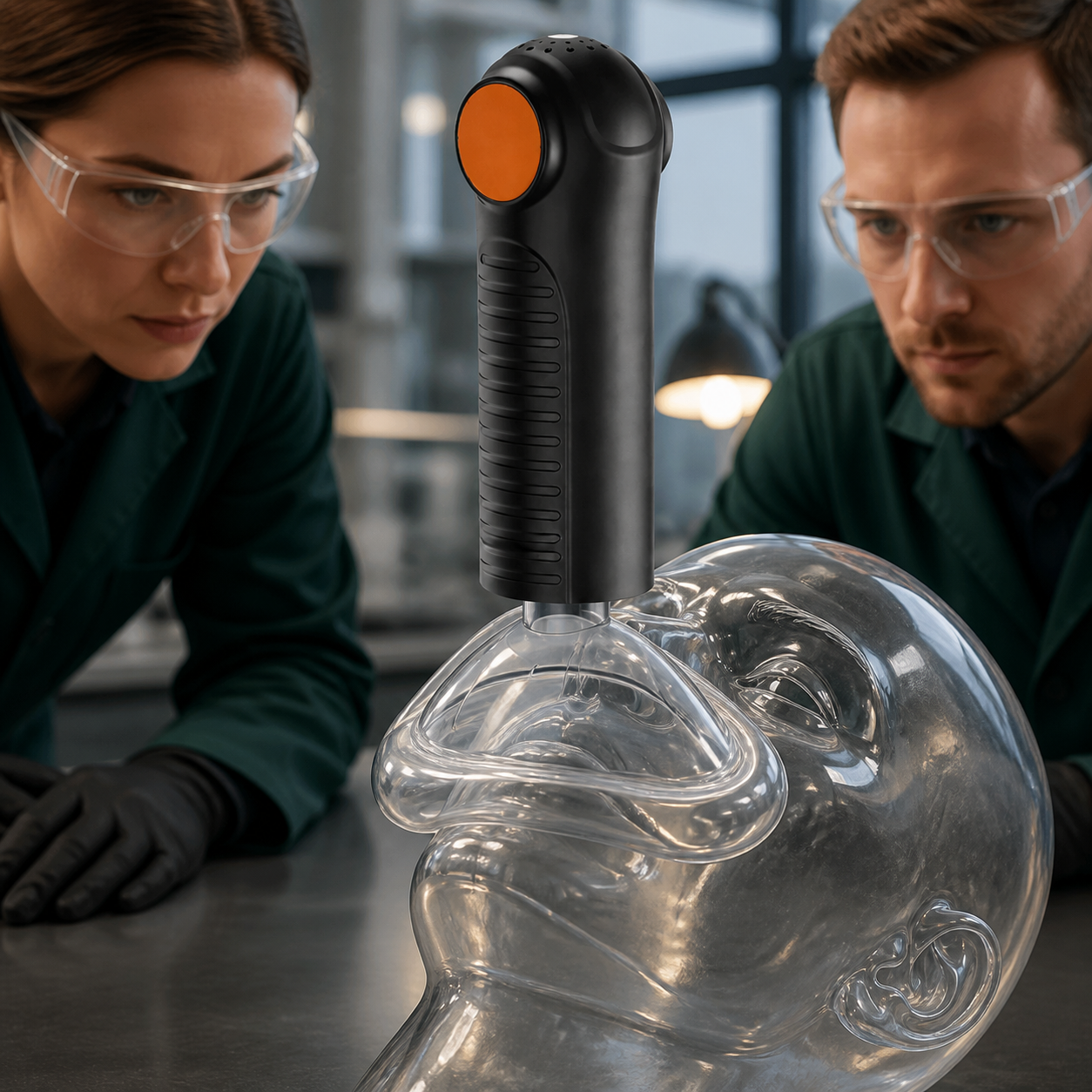
| A suction device does not work through the device body alone. It works through a pressure circuit: mask, face-contact surface, valve, hand position, pull timing, airway opening, and obstruction behavior. A mask edge that lifts during a fast pull creates a leak path. Once a leak path appears, the pressure gradient collapses and the device loses the mechanical reason for being used. |
| Visual aesthetics do not correlate with pneumatic performance: unverified valve geometry and edge-lift can collapse the pressure gradient during the pull phase. Buyers should treat the mask as a critical active component, not an accessory. |
| Fitiger's medical-grade silicone positioning should be used as a material-contact and seal-design point. It should not be written as clinical superiority. The correct question is narrower: can the face-contact layer maintain a usable seal across intended users, storage conditions, and emergency handling? |

Medical-grade silicone is durable, but it is still a polymer. Across a 6- to 24-month replacement-planning horizon, the engineering concern is cumulative exposure: storage compression, heat cycling, skin oils, cleaning agents, oxidation, and disinfectant contact can change how a soft interface behaves. Silicone-aging literature shows that mechanical properties can shift with aging, including Shore A hardness, tensile strength, elongation at break, compression set, and surface behavior.
A stiffer mask may still look intact while losing edge compliance. A fresh edge can flex into the nose bridge, cheek contour, facial hair, dentures, and small geometry gaps. An aged edge may lift during rapid pull, creating a leak path. In an emergency suction device, that leak path can reduce negative pressure from the range expected of a well-performing device toward levels that may not overcome a resistant solid bolus.
|
Material variable |
New or well-maintained silicone |
Aged or poorly stored silicone |
Rescue consequence |
|
Shore A hardness |
Softer edge compliance supports face adaptation. |
Hardness may increase under aging, exposure, or storage stress. |
Edge lift becomes more likely during a fast pull. |
|
Elongation at break |
Elastic recovery supports repeated deformation. |
Elongation can decline as material becomes less flexible. |
Mask may not return cleanly to the face contour. |
|
Compression set |
Edge rebounds after storage or handling. |
Long compression can leave memory set. |
Persistent gaps appear around nose, cheeks, beard, or dentures. |
|
Valve and seal system |
Pressure circuit can maintain a stronger gradient under test conditions. |
Leak paths and valve inconsistency reduce pressure transfer. |
Negative pressure can drop toward low-performance ranges. |
|
Replacement discipline |
Official replacement parts preserve fit assumptions. |
Unknown or aged masks add unmeasured failure variables. |
Emergency performance becomes harder to trust. |
|
Comparison point |
Dechoker buyer question |
Fitiger EasyPumpVac buyer question |
Safer interpretation |
|
Category role |
Does product language preserve first-action Red Cross/AHA protocol and device use only after failure? |
Does EasyPumpVac stay clearly second-line after unsuccessful first-line rescue? |
Both should preserve first-line rescue before device use. |
|
Regulatory record |
Has the buyer reviewed FDA's 2021 DeChoker warning letter and current public status? |
Has the buyer verified Fitiger's exact product status instead of assuming QXN authorization? |
Exact product records matter more than category language. |
|
Pull path |
How much handle or plunger travel must a stressed rescuer complete? |
Does the short pull path reduce arm travel and handling friction? |
Shorter movement can reduce burden but does not guarantee rescue. |
|
Mouth and mask interface |
Does the sequence require oral interface placement plus mask seal? |
Can the rescuer focus on mask placement and direct pull sequence? |
More contact steps can increase hesitation unless well trained. |
|
Storage readiness |
Can the device be staged near likely choking zones without being hidden or damaged? |
Can EasyPumpVac be placed near kitchens, care carts, dining rooms, or emergency kits? |
A distant device is functionally absent. |
|
Evidence boundary |
What does public evidence support, and what does it not prove? |
What do Fitiger pressure, material, usability, storage, and post-use files support? |
No review or product video proves clinical superiority alone. |
| Fitiger has a stronger position when it refuses exaggerated claims. EasyPumpVac should be presented as a second-line backup option with a short pull path, mask-based suction, material-contact discipline, and point-of-need readiness. That is enough. It does not need to pretend that Dechoker is unsafe, obsolete, or clinically inferior. |
| The engineering argument is narrower and more credible: first-line rescue comes first; a backup must be close enough to matter; a shorter pull path can reduce handling friction; seal quality controls the pressure circuit; material aging can create leak paths; pressure data requires boundaries; post-use reports are useful signals but not randomized clinical proof. |
| A mature emergency-safety brand wins trust by making the comparison safer, not louder. |
A family, school, eldercare facility, restaurant, or safety buyer should answer these questions before purchasing:
| The better choice is not the product with the strongest emergency promise. It is the product that fits the correct rescue sequence, the intended users, the room layout, the storage plan, and the evidence boundary. |
| For buyer comparison, review Fitiger How It Works and scientific evidence before selecting any anti choking device for a readiness plan. |
| For commercial product routing, start with the EasyPumpVac series when the goal is home, caregiver, and short-pull-path readiness. |
| For a specific buyer path, review the EasyPumpVac Home Kit and the EasyPumpVac Airway Clearance Home Kit based on the user's setting, storage needs, and current instructions for use. |
| For school or portable-device planning, compare Schools and the FoldPumpVac series only if those settings match the deployment plan. |
Fitiger EasyPumpVac can be considered by buyers comparing second-line choking backup options. The comparison should focus on response sequence, handling path, mask seal, age and weight labeling, storage readiness, regulatory status for the exact product, and available evidence. It should not be reduced to a winner-loser claim.
No. EasyPumpVac should not be described as a clinical replacement for Dechoker. It is a Fitiger second-line backup option with its own design approach, especially short pull path, mask-based suction, and layperson handling simplicity.
No. Current choking guidance keeps first-line rescue first. For conscious adults and children with severe choking, responders use repeated cycles of 5 back blows and 5 abdominal thrusts. Infants use 5 back blows and 5 chest thrusts. A suction device belongs later, after standard measures are unsuccessful and within its labeling.
Pull distance affects how much movement a rescuer must complete under stress. A shorter path may reduce arm travel, positioning friction, and handling burden, but it does not guarantee success. It must be paired with training, mask seal, correct timing, and second-line use.
A suction device depends on a pressure circuit. If the mask edge lifts, the valve leaks, or the material cannot conform to the face, usable suction drops. Seal design, mask material, sizing, storage, and replacement discipline all matter.
Buyers should check exact labeling, age and weight limits, first-line rescue language, operation steps, mask seal, storage requirements, seller traceability, replacement parts, testing evidence, FDA status for the exact product, and whether the device is presented as second-line backup rather than first-line treatment.
No. Reviews may show user experience, perceived ease of use, shipping issues, packaging problems, training confusion, or reported field stories. Reviews cannot prove controlled clinical superiority. They should be read alongside labeling, regulatory status, test evidence, and evidence boundaries.
| FDA De Novo database - Supports LifeVac De Novo decision, regulation number 874.5400, product code QXN, and device classification name. |
| FDA De Novo decision letter - Supports second-line treatment wording after unsuccessful BLS choking protocol. |
| FDA Safety Communication - Supports FDA first-line protocol language, authorization update, import alert, registration/listing caution, and DeChoker warning-letter reference. |
| FDA Warning Letter - Supports public FDA record stating DeChoker device quality-system nonconformity under 21 CFR Part 820. |
| Dechoker International official site - Supports public Dechoker age language and first-action Red Cross/AHA protocol language. |
| American Heart Association Newsroom - Supports 5 back blows + 5 abdominal thrusts and infant 5 back blows + 5 chest thrusts update. |
| Mechanical simulator of tongue-palate compression - Supports 5.4 kPa vs 1.7 kPa bolus-clearing pressure discussion. |
| Comparison of negative pressure performance between certified and counterfeit suction-based devices - Supports negative-pressure comparison around 154 +/- 57 mmHg vs 62 +/- 29 mmHg. |
| Patient Safety Journal - Supports older adult food-choking risk comparison and care-setting relevance. |
| Silent aspiration - Supports pediatric silent aspiration data, including thin-fluid silent aspiration rate. |
This article compares public category information, Dechoker buyer questions, Fitiger EasyPumpVac design positioning, response sequence, pull-path considerations, mask-seal logic, FDA public records, and evidence boundaries. It does not prove clinical superiority over Dechoker. It does not replace CPR or choking first-aid training. It does not change the first-line role of established choking rescue protocols. It does not imply product-specific FDA authorization for Fitiger unless the exact device has a current FDA record.
This article is for emergency preparedness education and buyer decision support. It is not medical advice, legal advice, diagnosis, or treatment. Follow current CPR and choking first-aid training, product instructions for use, school or facility policy, local regulations, and emergency dispatcher instructions. Call emergency services immediately for a severe choking emergency.


